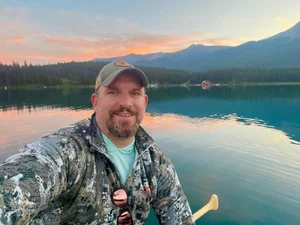
Maligne Lake
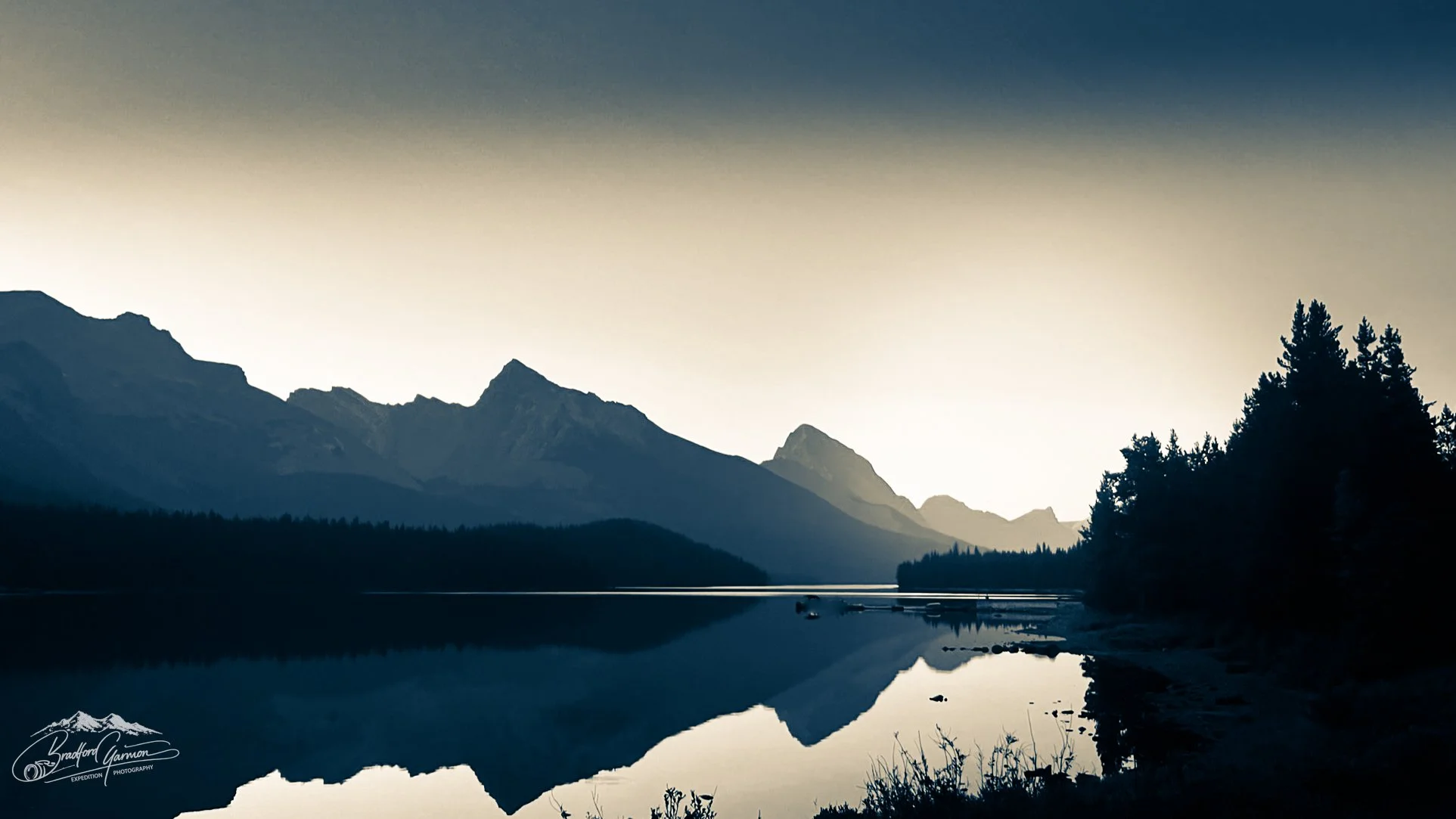
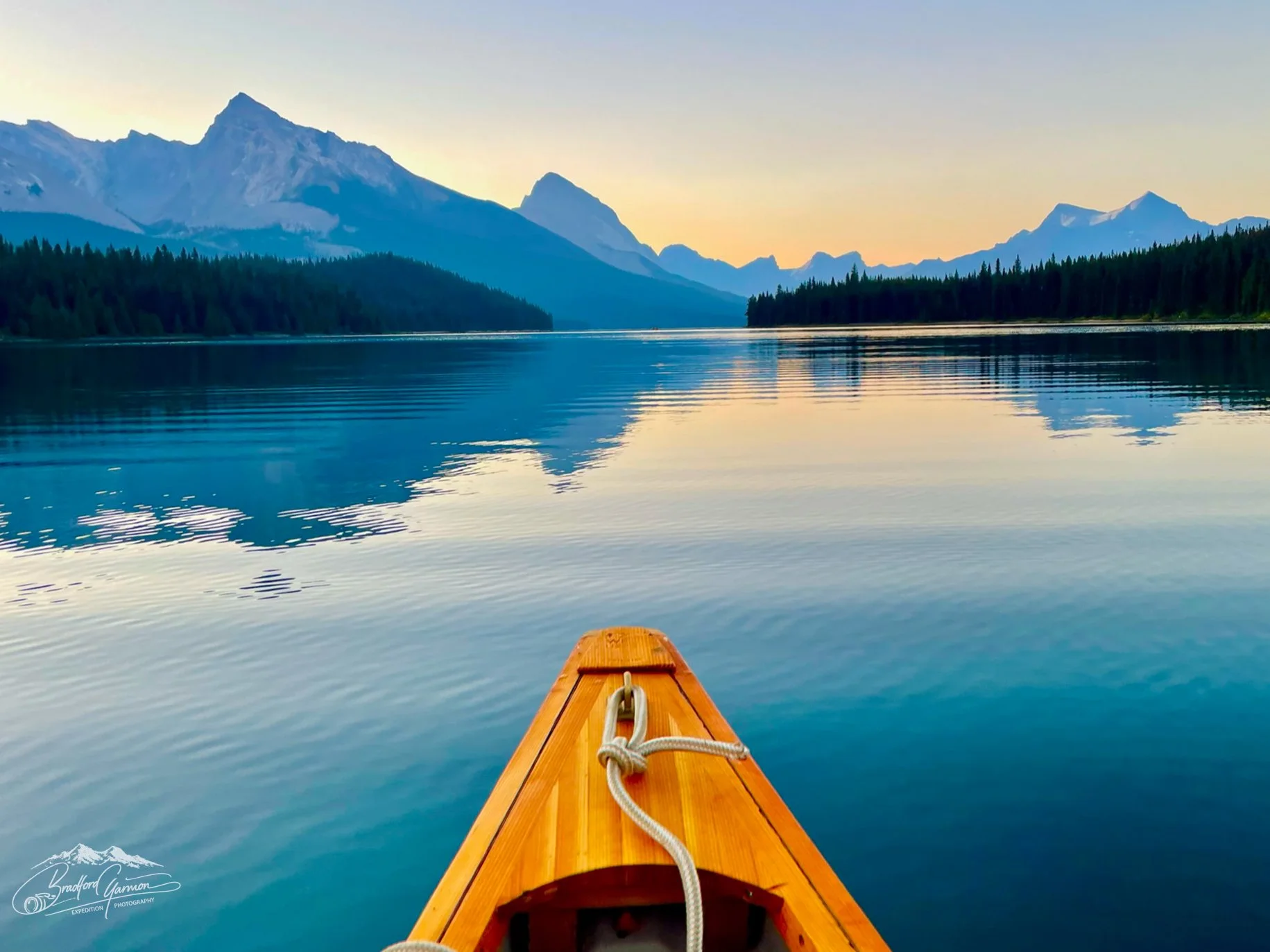
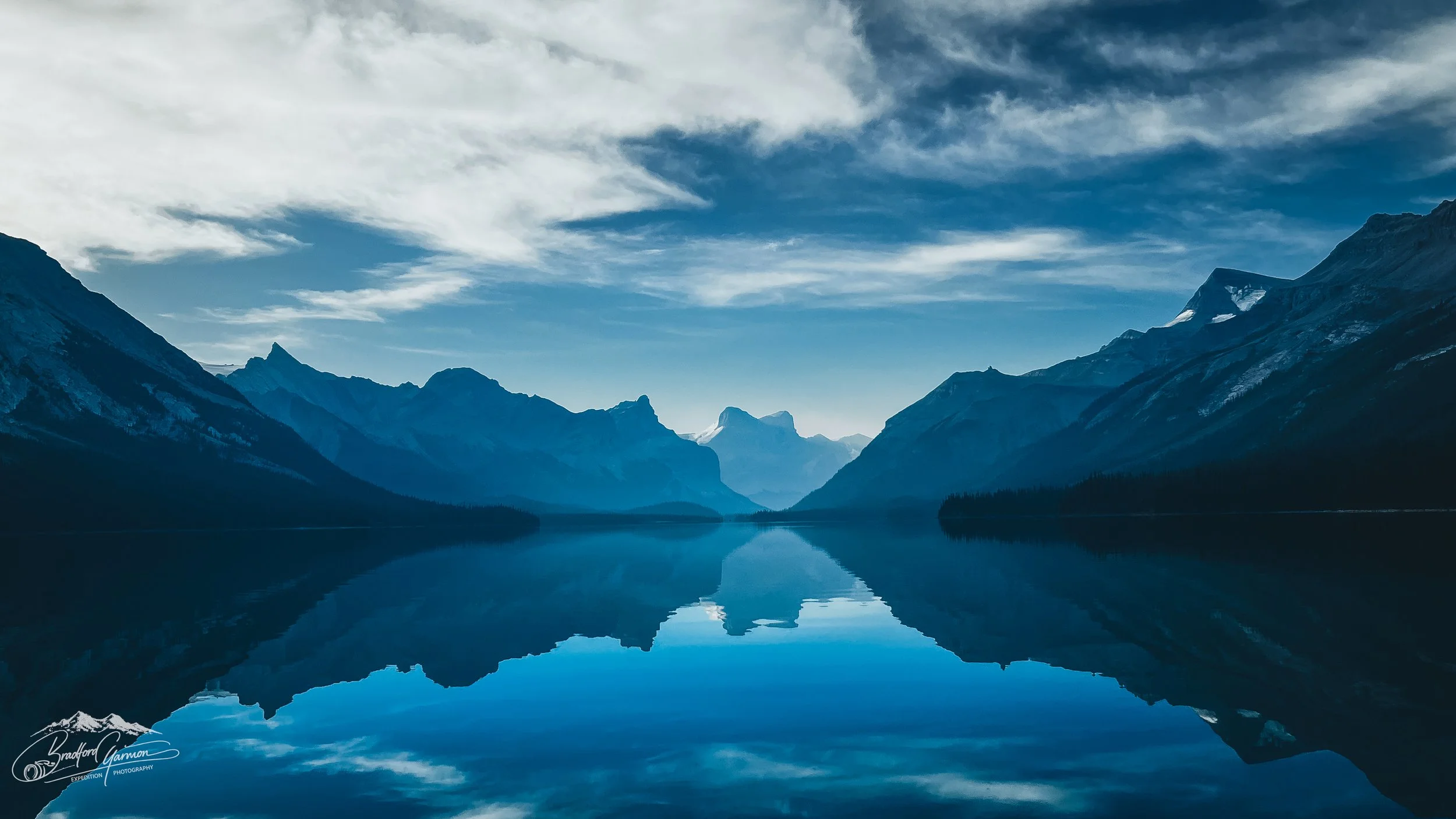
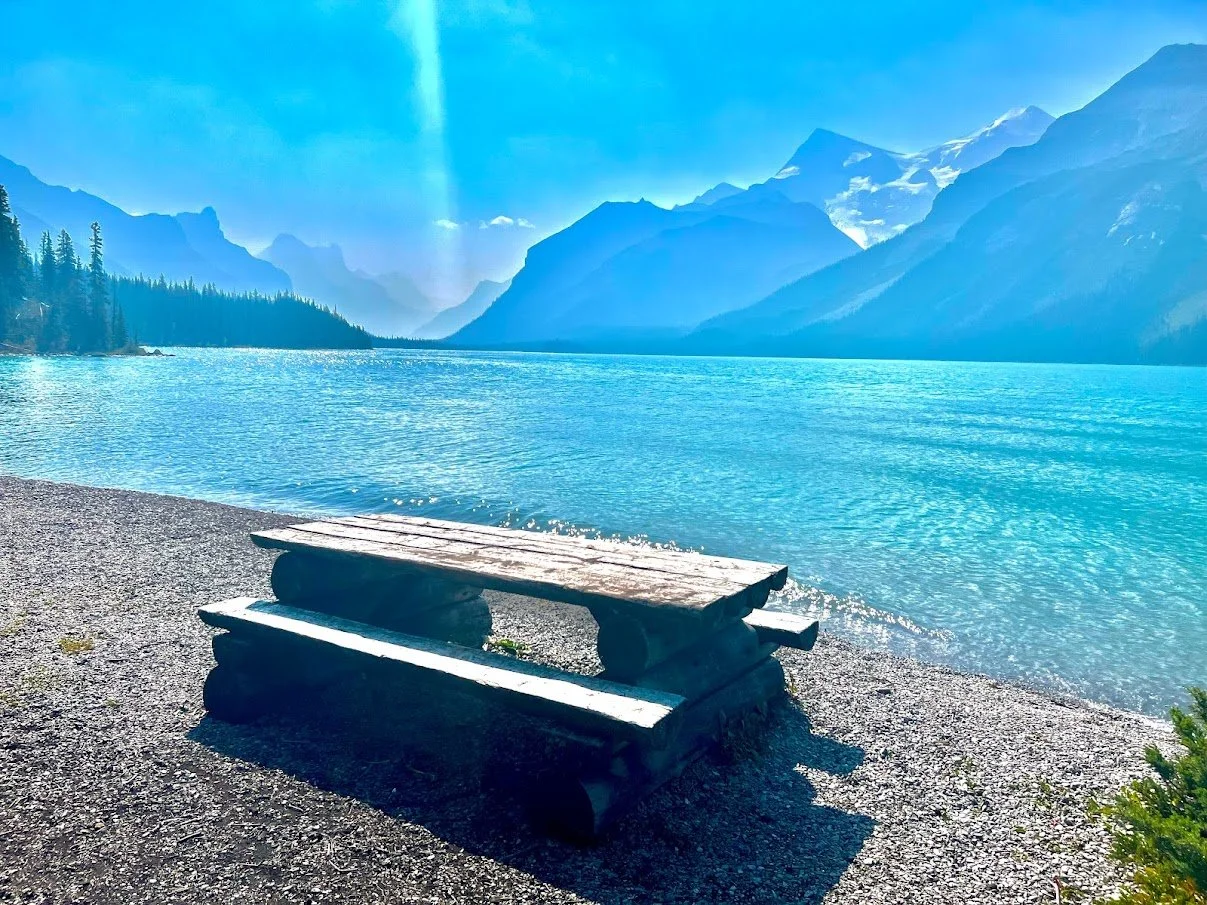
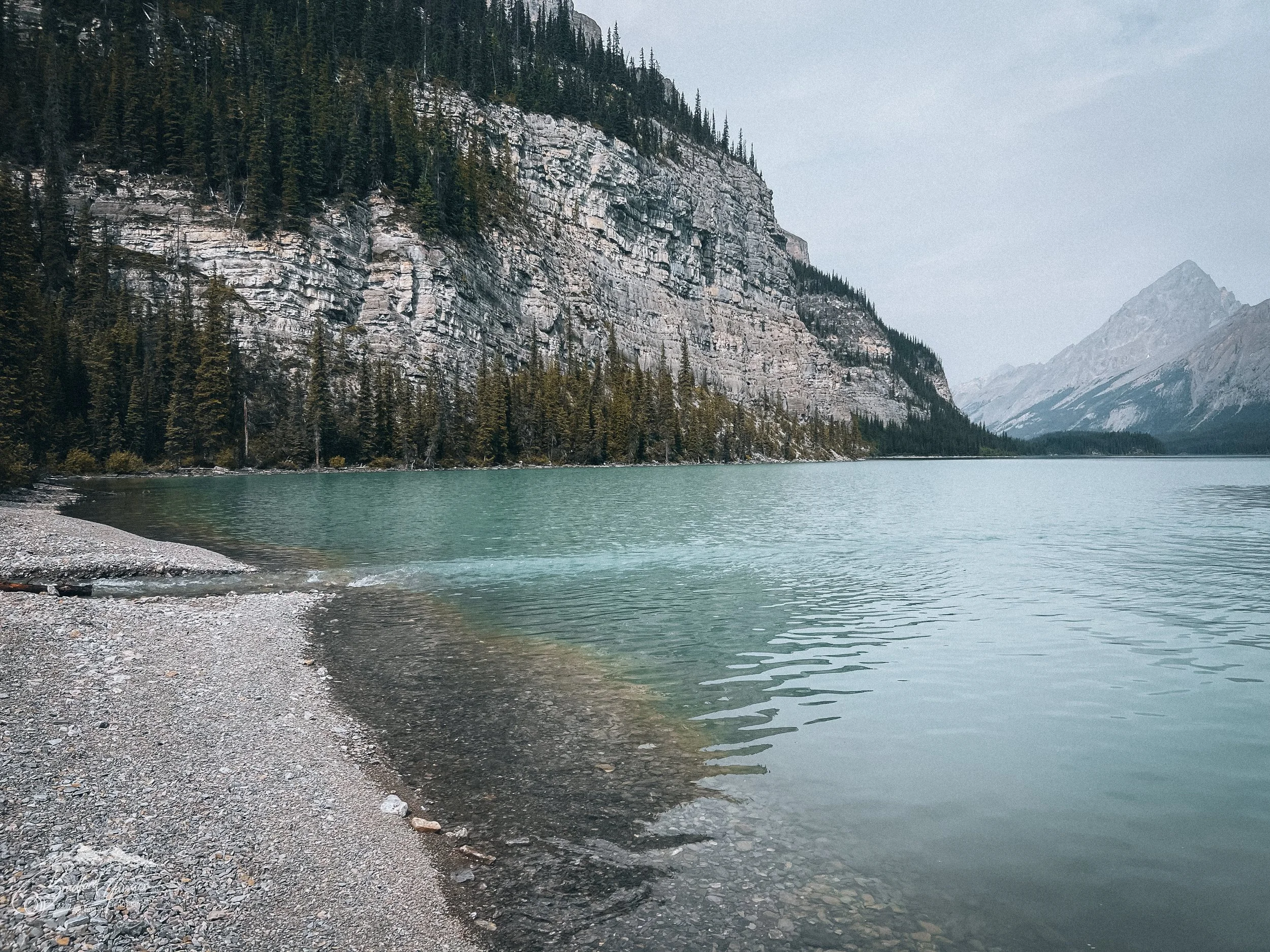
Gliding across Maligne Lake by canoe is one of those experiences that slows time and sharpens your senses all at once. Tucked deep within Jasper National Park, this lake is famous for its vivid turquoise water, fed by glacial melt and framed by rugged peaks that feel almost impossibly still.
Make it stand out
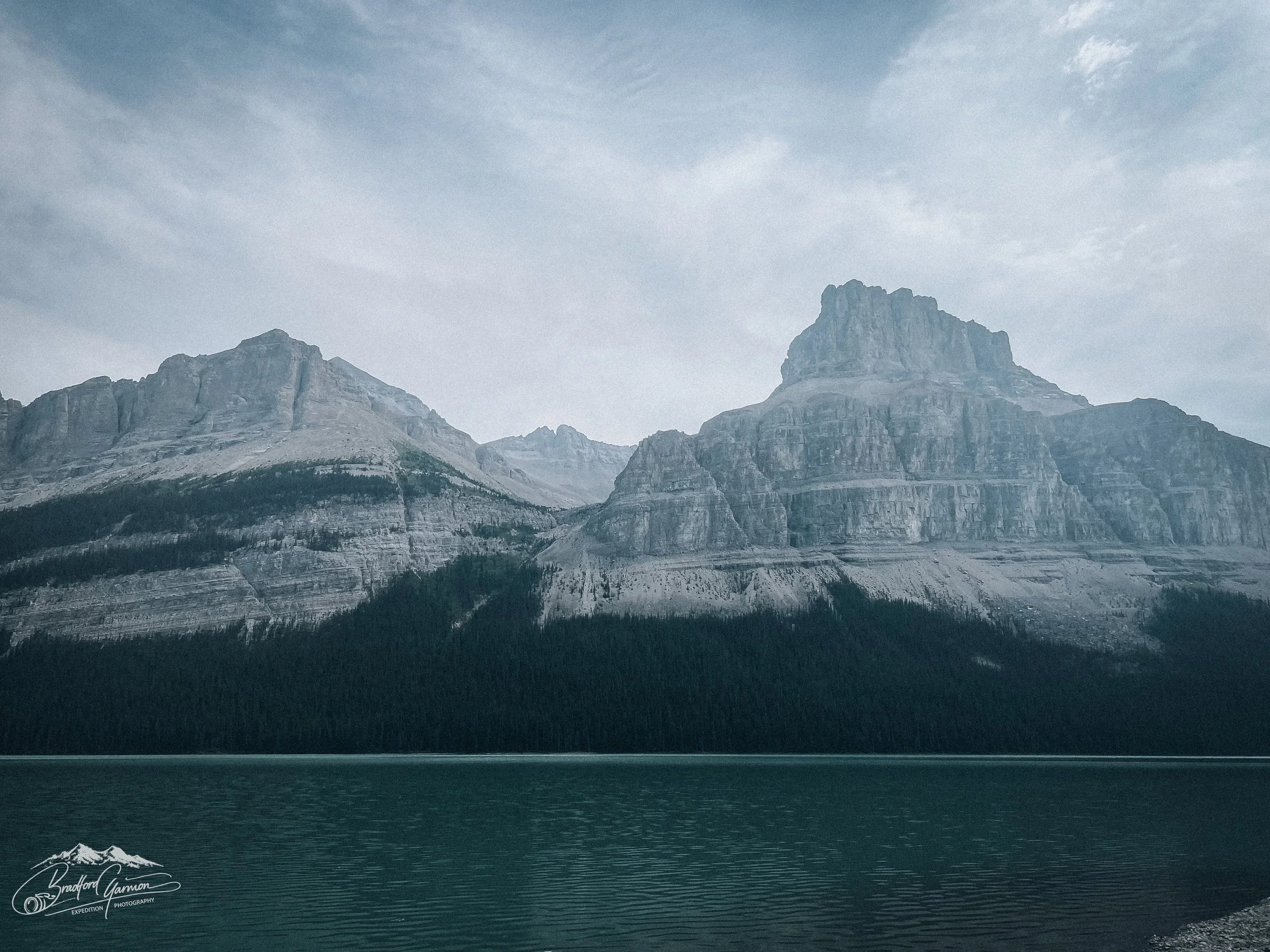
High above it all, Maligne Lake stretches an astonishing 22.3–22.5 km (≈14 miles) from shimmering shoreline to glacier-touched horizon, making it the longest natural, glacially fed lake in the Rocky Mountains. Carved by ancient ice and framed by towering, snow-capped peaks, this alpine giant plunges to a maximum depth of about 96–97 m (315–318 ft), with an average depth around 35 m (115 ft). Its crystal-clear waters reflect surreal shades of azure and emerald, while cold, oxygen-rich conditions support vibrant populations of rainbow trout and brook trout, drawing anglers, paddlers, and wildlife alike. Halfway down the lake sits world-famous Spirit Island — one of the most photographed landscapes in the Rockies — accessible only by boat or kayak. From the shoreline, three visible glaciers stand as a reminder of the icy forces that shaped this pristine valley into one of Canada’s most iconic alpine scenes.
Whatever it is, the way you tell your story online can make all the difference. Maligne Lake has a long and layered history. For generations, the area was known to Indigenous peoples long before European explorers arrived in the late 1800s. Its name—derived from the French word maligne, meaning “treacherous”—comes from early explorers who struggled through the surrounding Maligne River canyon while mapping the region. Today, it stands as one of the most iconic and photographed landscapes in the Canadian Rockies.
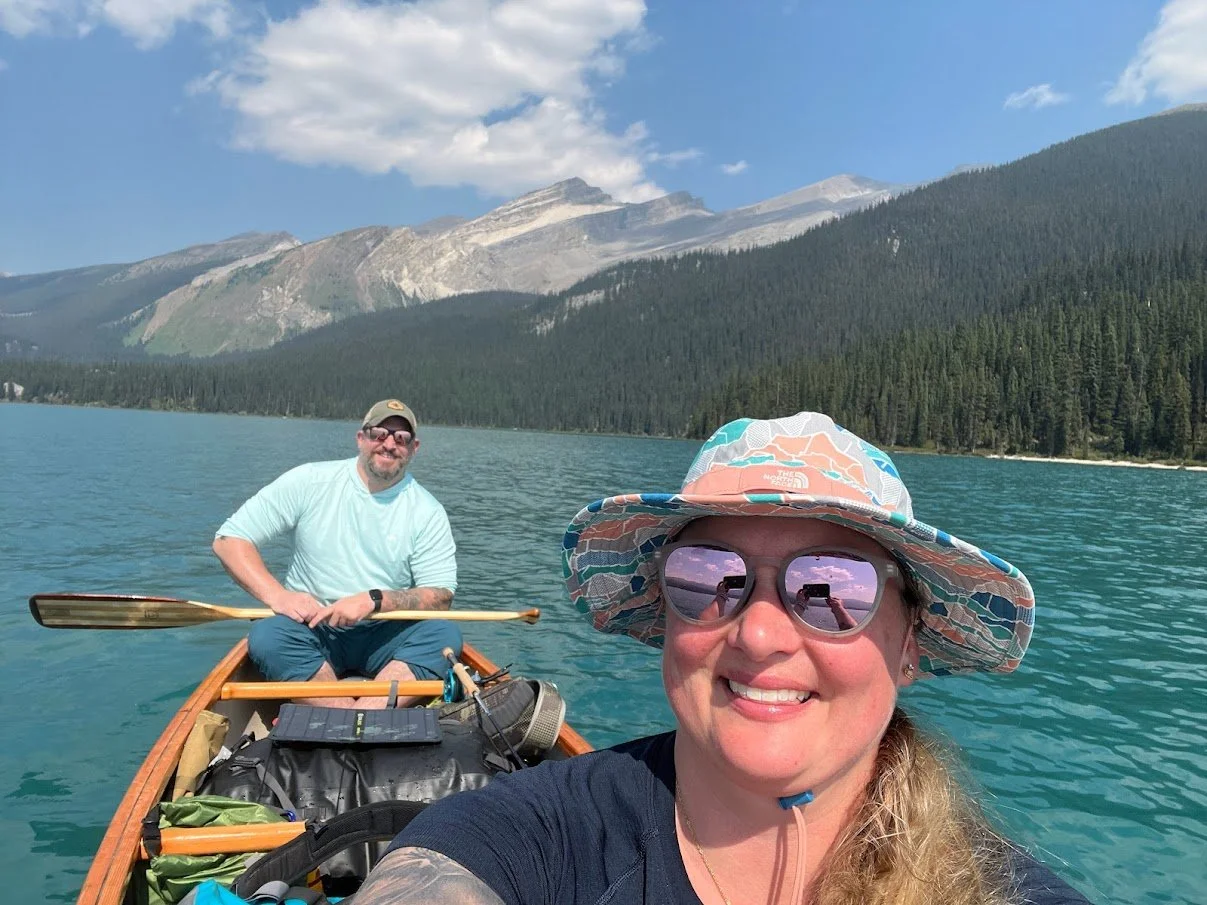
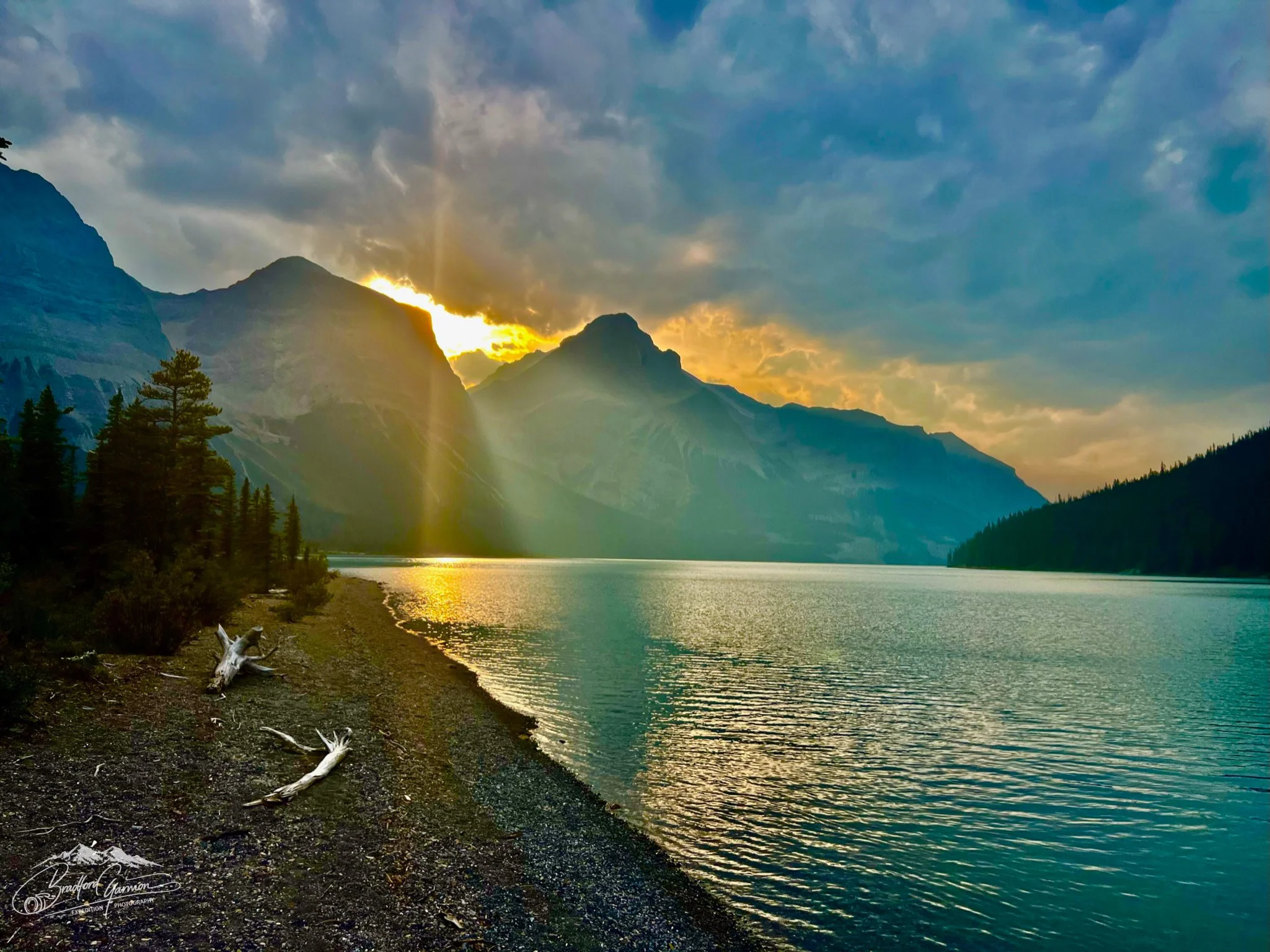
From the water, the scale of the place really settles in. The mountains rise quietly on all sides, reflections ripple and reform with each paddle stroke, and the lake seems to shift color depending on the light—from deep teal to luminous blue-green. Canoeing here isn’t about speed or destination; it’s about presence, calm, and the rare feeling of being small in the best possible way.
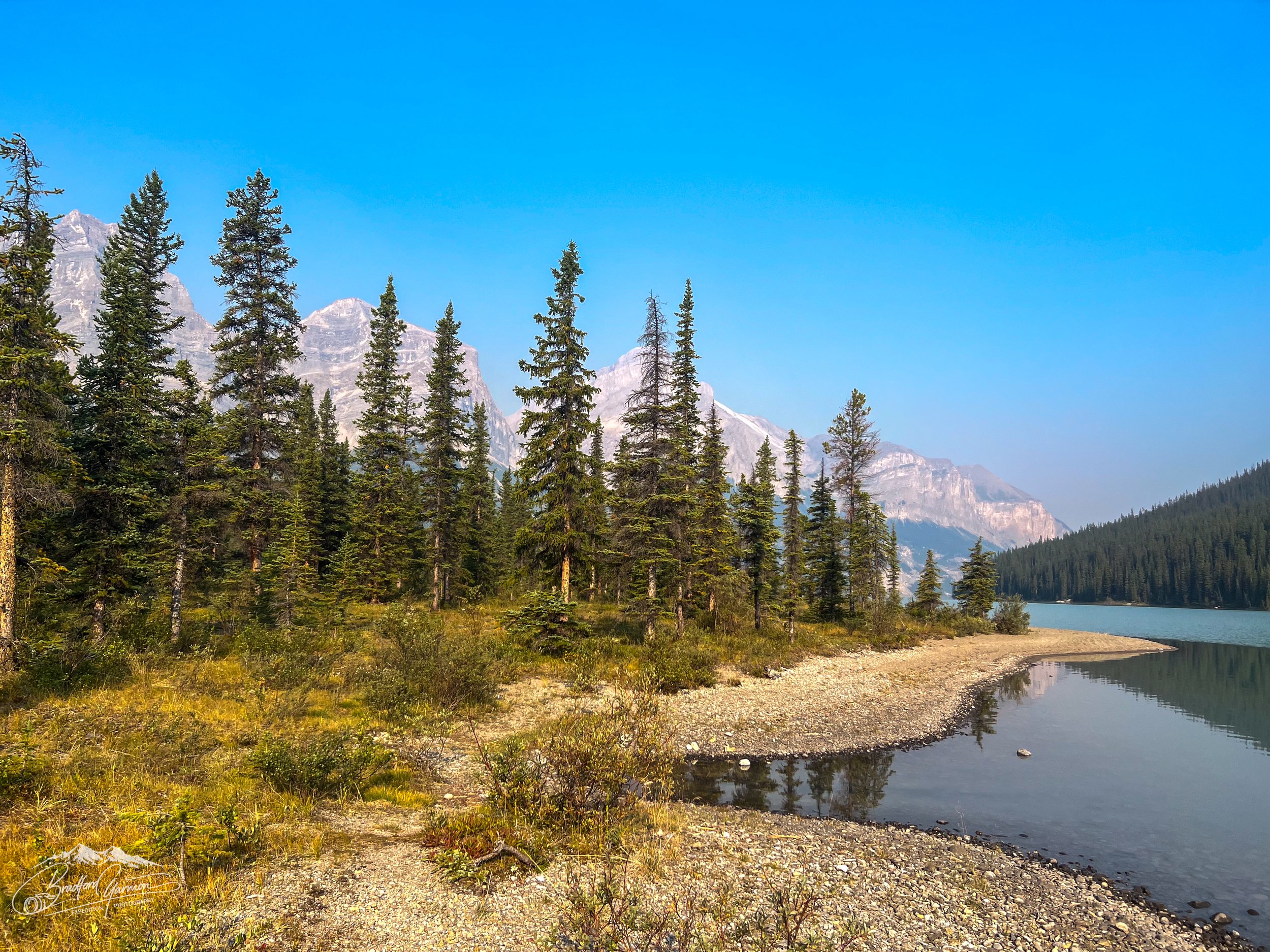
These images are my attempt to capture that stillness—moments of balance between water, sky, and stone in one of the most breathtaking places I’ve ever paddled.
Getting there
Reaching Jasper is part of the adventure, with some of the most scenic highways in North America guiding you into the heart of the Canadian Rockies. Most travelers arrive by car from Edmonton (about 4 hours) via Highway 16, or from Banff (about 3 hours) along the legendary Icefields Parkway (Highway 93) — a jaw-dropping drive lined with glaciers, turquoise lakes, and towering peaks. For those flying in, Edmonton International Airport (YEG) is the closest major hub, while Calgary International Airport (YYC) offers a longer but spectacularly beautiful route into Jasper.
From Calgary, there are two primary ways to reach the western side of the Rockies: south and west, or north and west. Most visitors choose the southern route, passing through Canmore and Banff, the main tourist hubs, before continuing north along the Icefields Parkway. It’s a classic drive — and for good reason — but it’s also the most crowded.
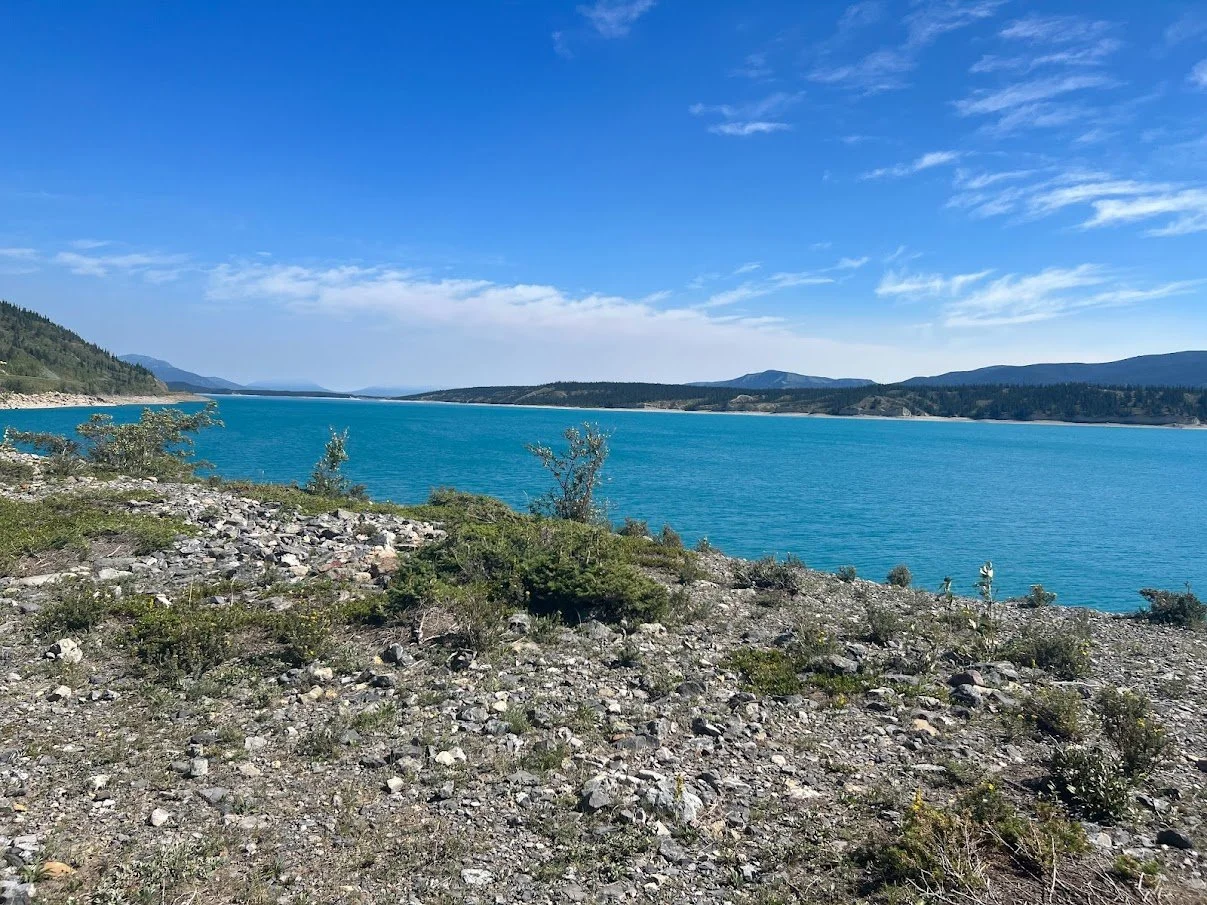
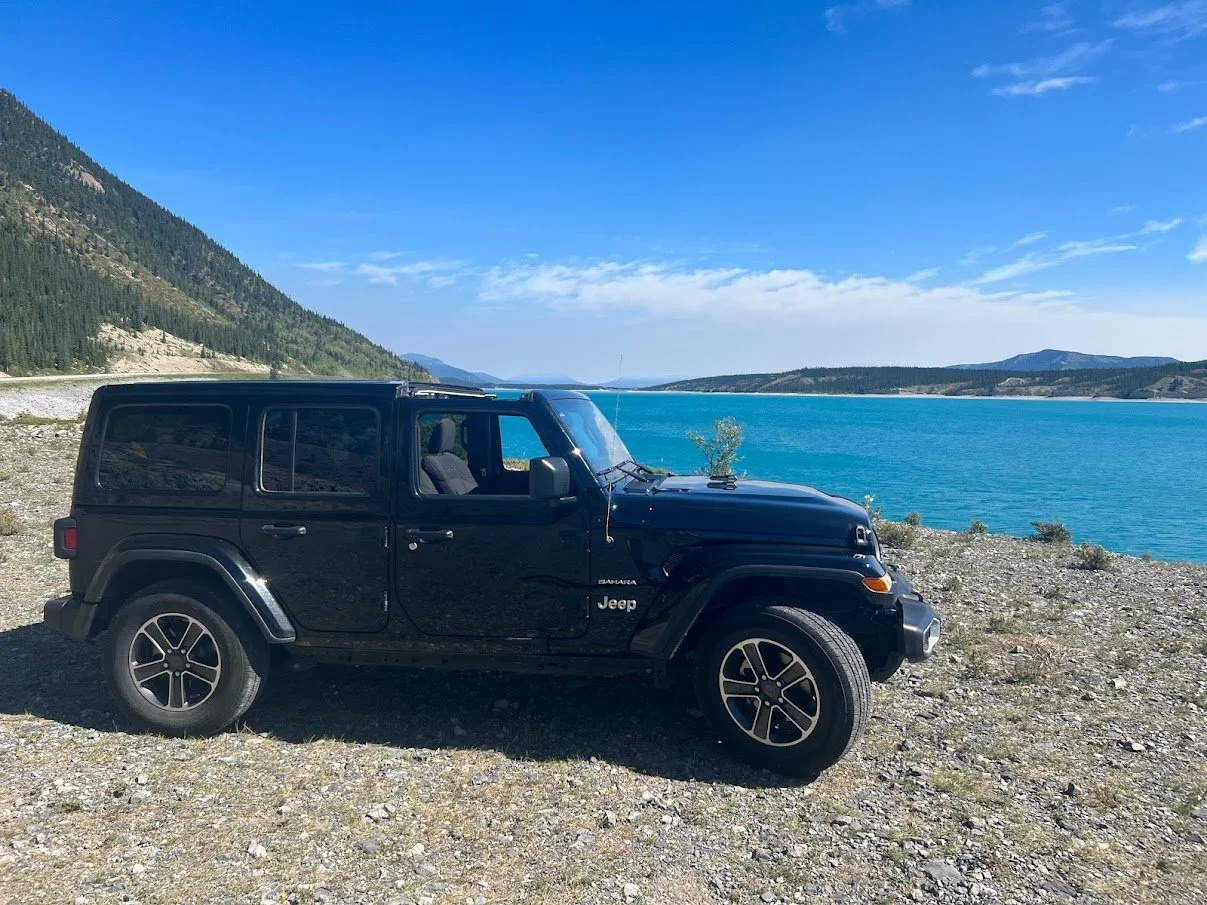
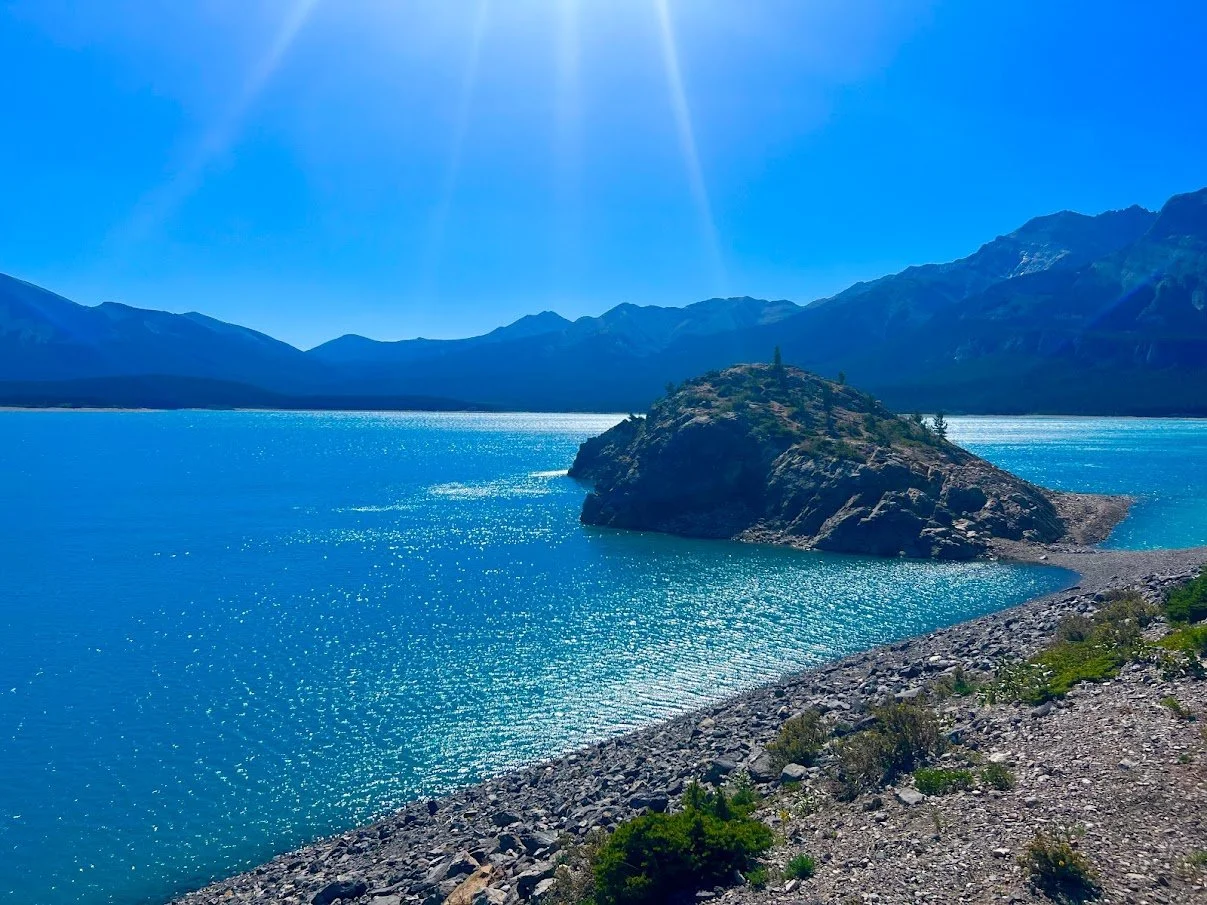
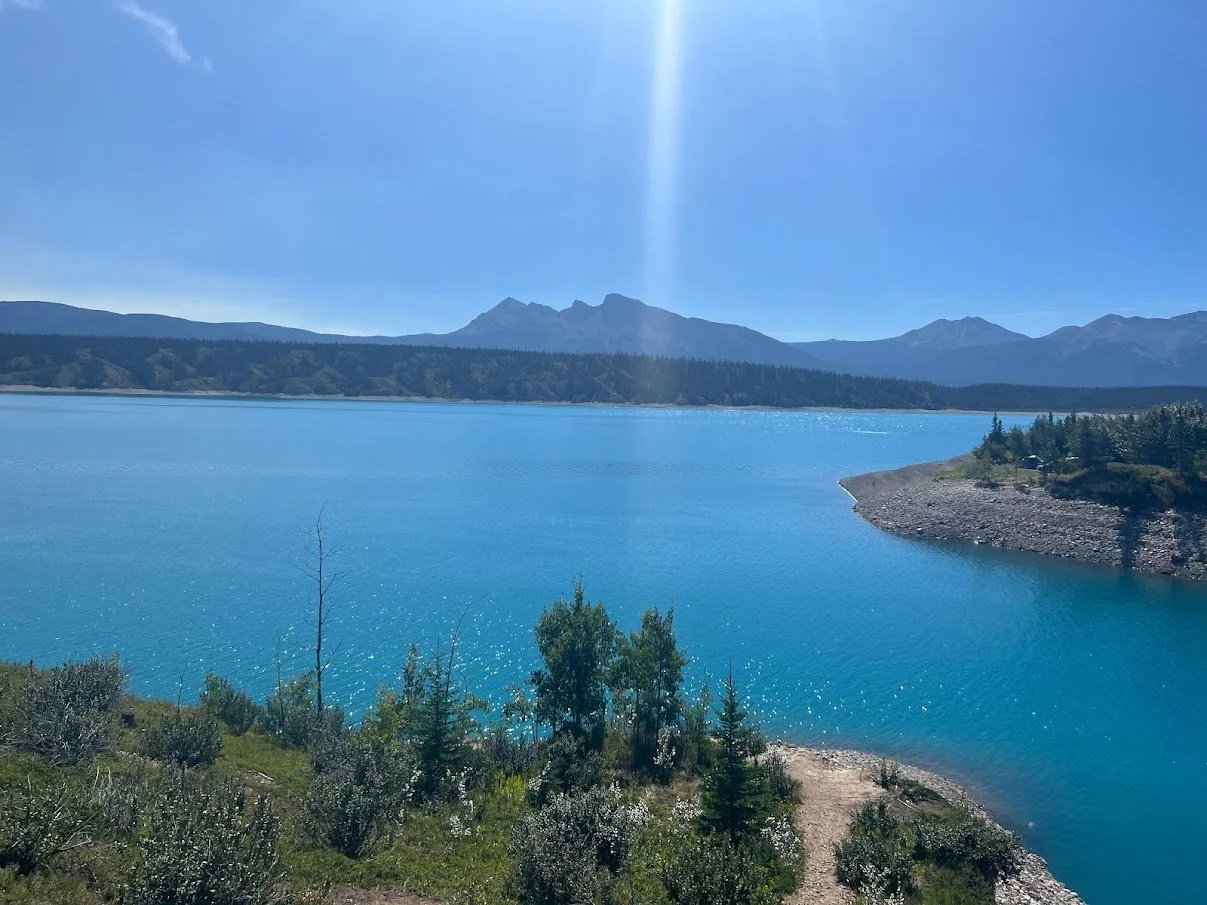
For a quieter, more cinematic approach, I highly recommend heading north first, then turning west through the dramatic Saskatchewan River Crossing. This lesser-traveled route winds through open plains and rising foothills before climbing into wide alpine valleys, revealing a side of the Rockies that feels raw and expansive. Along the way, you’ll pass Abraham Lake — a hidden gem that remains surprisingly under the radar. Though man-made, formed by the construction of the Bighorn Dam, Abraham Lake is anything but ordinary. Its long, wind-swept shoreline, milky-turquoise glacial waters, and stark mountain backdrop create a surreal, almost otherworldly landscape. In winter, it becomes famous for its frozen methane bubbles, but even in summer, it’s a striking and peaceful stop that feels worlds away from the bustle of Banff. If you plan on seeing Jasper on your trip, this is the way to get there.
Once in Jasper, Maligne Lake lies about 44 km (27 miles) southeast of town, reached by the winding and wildlife-rich Maligne Lake Road. The drive itself is a highlight, passing Medicine Lake, dramatic limestone cliffs, and dense alpine forest before opening onto the broad, glassy expanse of the lake. In peak season, Parks Canada shuttle services and guided tours provide an easy, car-free option, while adventurous travelers can bike the route or paddle in by kayak for a more immersive approach. However you choose to arrive, the journey to Maligne Lake feels less like a commute and more like a slow unveiling of one of the Rockies’ most iconic landscapes.
Setting Voyage on the Lake
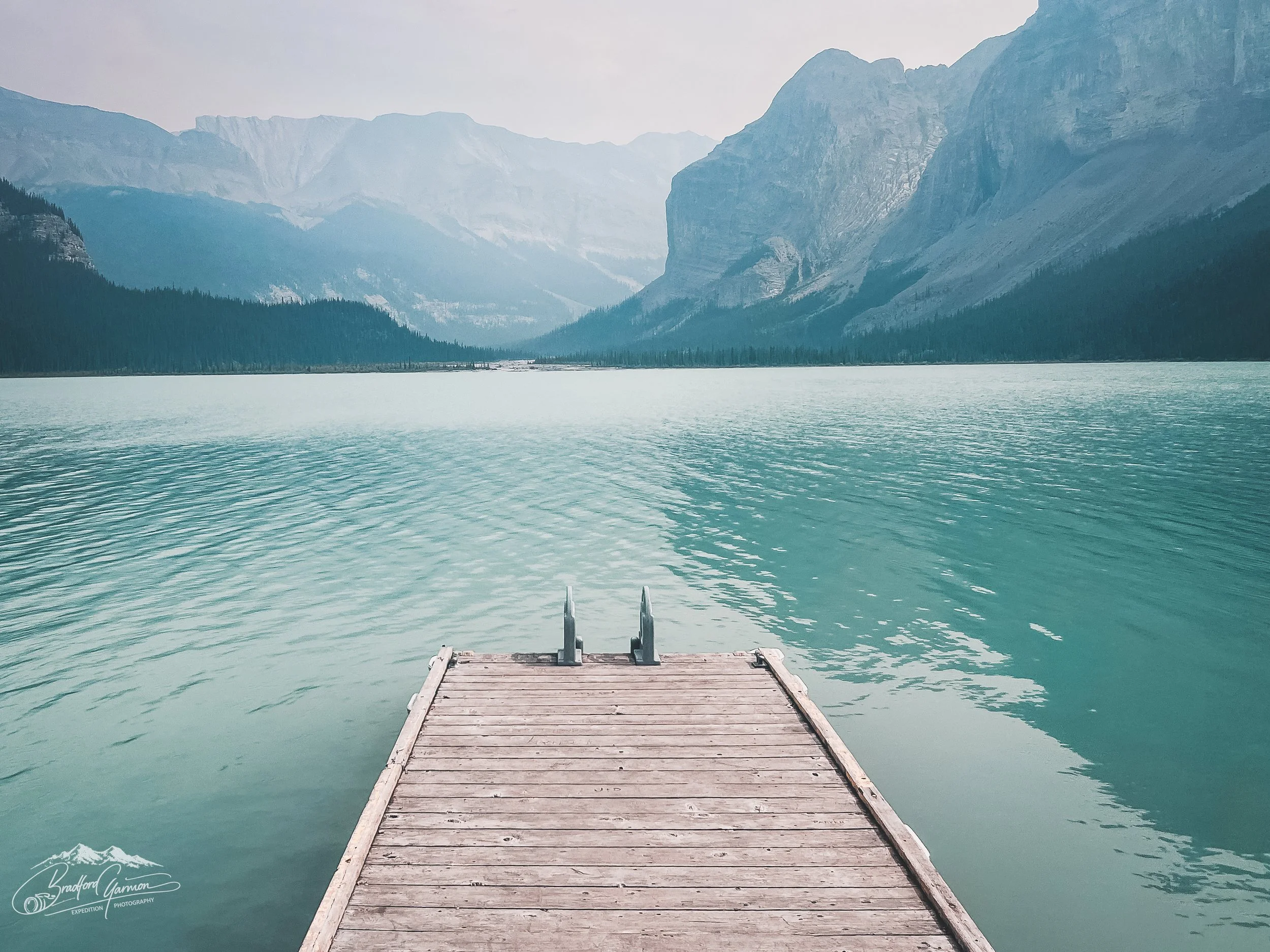
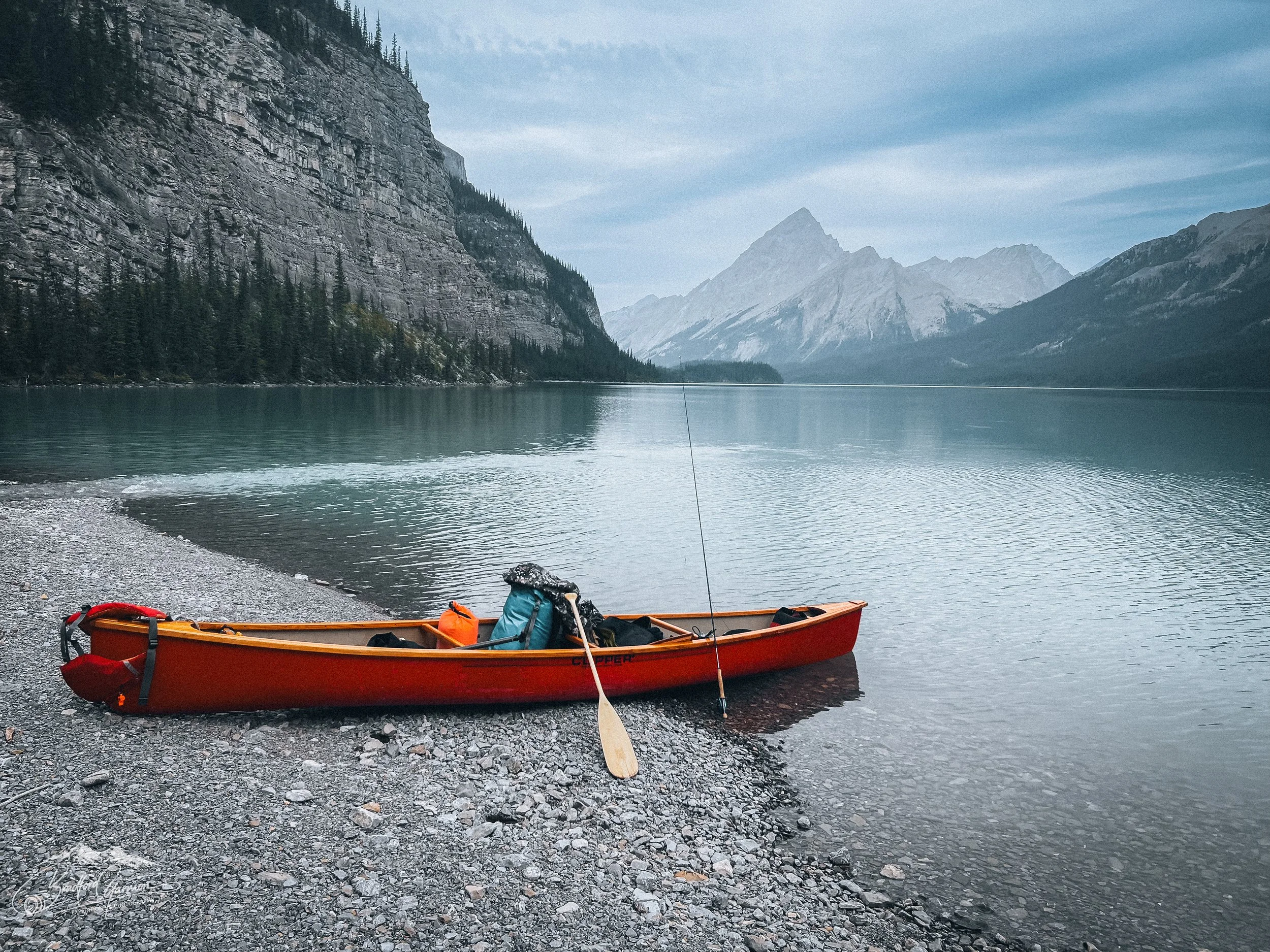
Our journey onto Maligne Lake began long before sunrise. Instead of lining up at the boathouse with the crowds, we opted to rent a canoe through the Wild Current Outfitters in town — a decision that gave us something priceless: silence. The evening before, we picked up our paddles and personal flotation devices, signed the required waivers, and were handed a simple combination. The wooden canoes themselves are stored and locked at the dock overnight, and that code is your quiet invitation onto the lake at dawn.
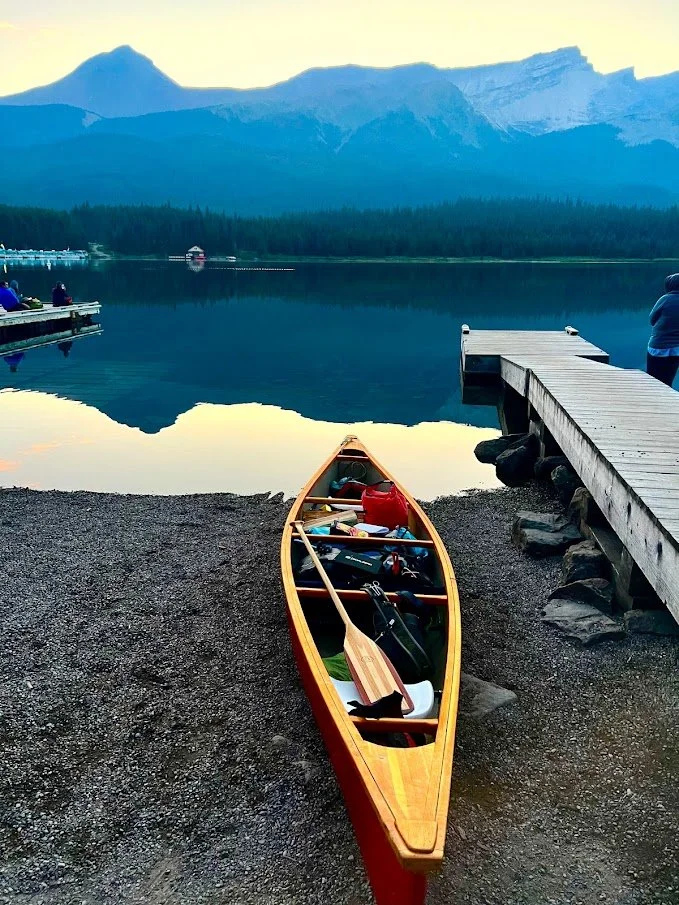
We arrived in near darkness, the peaks still etched only faintly against the sky. With the click of the lock and the soft creak of wood against water, we pushed off into a world that felt untouched. This early start was deliberate. We wanted to experience Maligne Lake before the day found its voice — before the tour boats stirred the surface into ripples, before footsteps echoed along the docks, before the stillness gave way to activity. The water was impossibly smooth, mirroring the mountains in perfect symmetry, and the only sounds were the dip of paddles and the distant call of birds. It felt less like entering a lake and more like slipping into a dream.
Maligne Lake is also home to one of the most photographed islands in Alberta: Spirit Island. Long before it became an icon, this tiny pine-covered outcrop held spiritual significance for the Stoney Nakoda First Nation, who considered it a sacred place — a symbol of peace and a gathering point for ceremony. Today, it stands as a quiet sentinel in the middle of the lake, framed by towering peaks and glacial water, immortalized in postcards, calendars, and travel posters around the world.
Tour boats begin operating later in the morning, typically departing every 30 to 45 minutes during peak season, ferrying visitors down the length of the lake for a close view of Spirit Island. While the island itself is stunning, it’s important to know that you cannot step foot on Spirit Island. It is a protected site, and landing there is prohibited out of respect for its cultural and environmental significance. Instead, the tour boats dock at a small adjacent island, where visitors can walk to a designated viewpoint that offers the classic, postcard-perfect angle of Spirit Island. It’s a thoughtful compromise — preserving the sanctity of the island itself while still giving less adventure-prone travelers a chance to capture its iconic beauty.
For us, arriving by canoe in the soft blue light of dawn, with no engines in sight and no voices to break the hush, felt like the purest way to meet this place — quietly, respectfully, and on its own terms.
For much of our journey, I let a fishing line trail quietly behind the canoe, cutting a faint, patient line through the glassy water. In Canada’s national parks, only fly-fishing gear is permitted, and anglers must secure a fishing permit in advance — rules designed to protect the fragile alpine ecosystem. Maligne Lake is home to rainbow trout and brook trout, fish that grow surprisingly large in these cold, oxygen-rich waters. The icy temperatures slow their metabolism, allowing them to live longer and reach impressive size, turning this glacial lake into a quiet sanctuary for some truly beautiful fish.
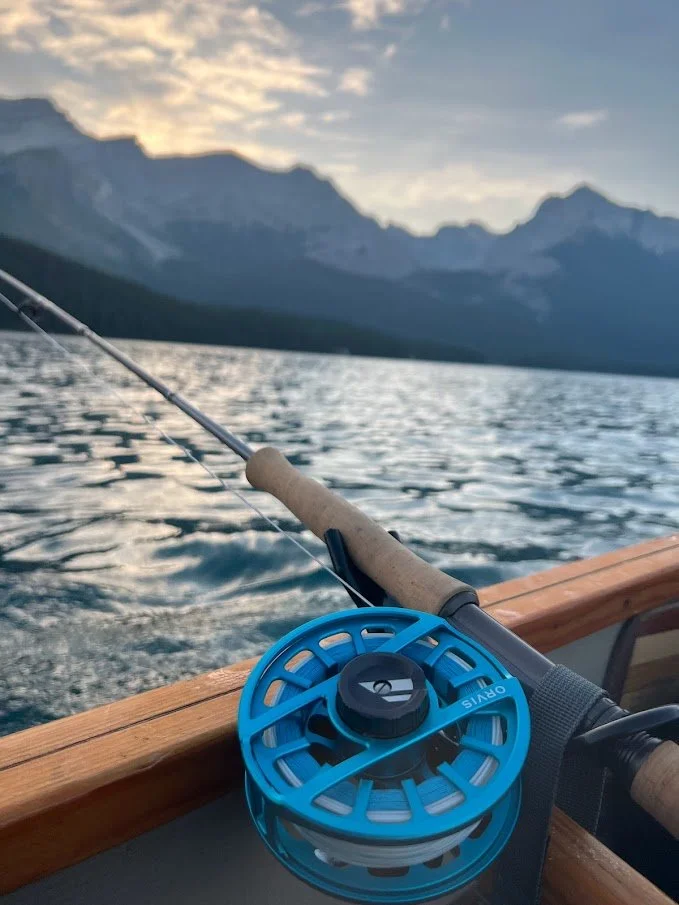
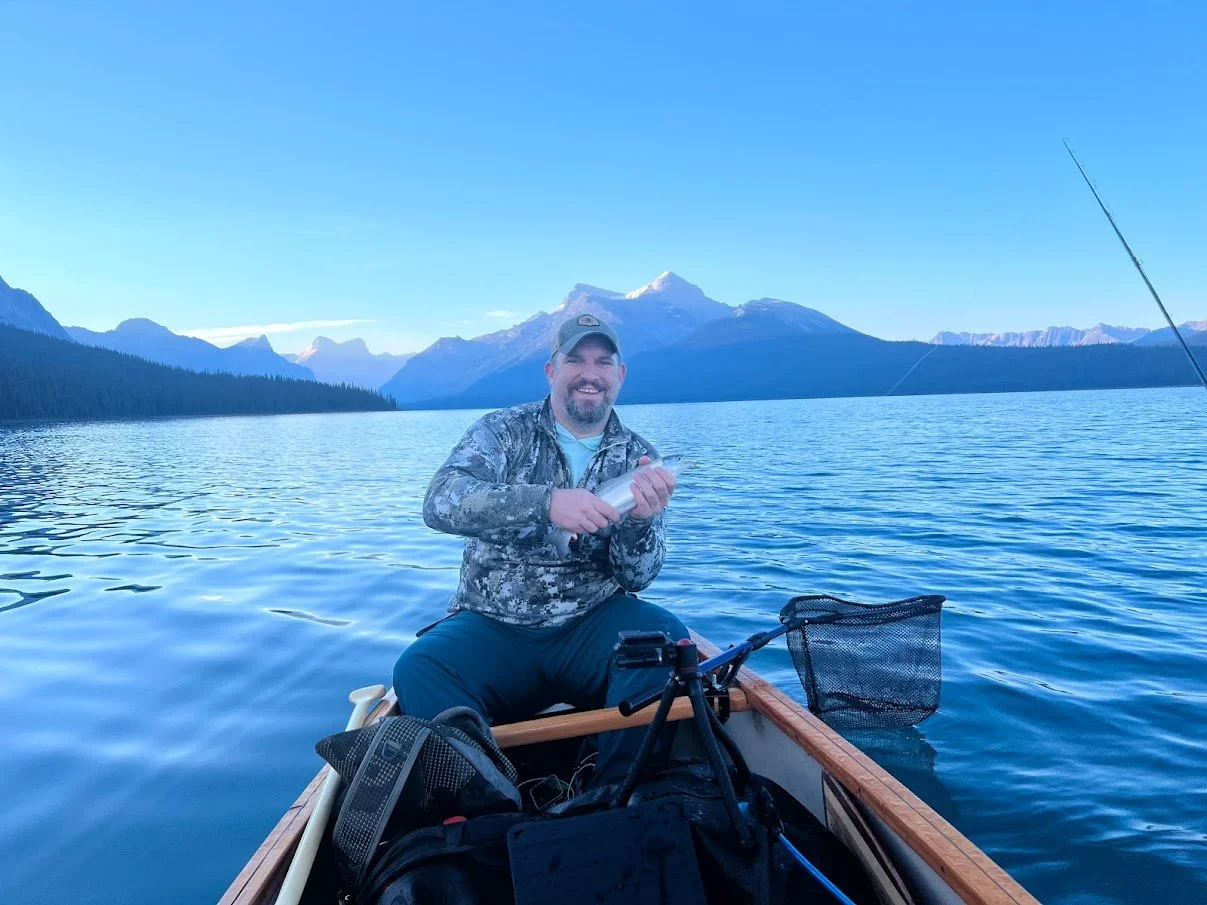
Somewhere between silence and rhythm, it happened. A sudden tug. A jolt of resistance. After years of not fishing — not since I was a kid — even a small trout felt enormous on the line, its energy magnified by the stillness around us. We managed to get it into the canoe, hands shaking slightly as I worked the hook free. For a moment, it rested there, glistening in the early light, a fleeting connection between us and this wild place. Then, as if deciding it preferred its ancient, glacial home, it slipped free and darted back into the depths. It was short-lived, imperfect, and absolutely unforgettable — one of those quiet moments that stays with you long after the paddle is set down.
Setting up Camp
Canoeing Maligne Lake can easily be a single-day adventure — a peaceful paddle out to Spirit Island and back, wrapped in a few golden hours of alpine stillness. But for those adventurous (or perhaps just crazy) enough to push deeper into the vastness of the lake’s interior, Maligne offers something rarer: true wilderness solitude. Tucked along its remote shoreline are three backcountry campsites, accessible only by canoe or kayak, inviting travelers to trade comfort and convenience for immersion and awe.
Because this is protected wilderness, Parks Canada keeps these campsites under tight control. A backcountry reservation is required to stay at any of the three sites, and permits must be secured in advance. You cannot simply paddle in and claim a spot. This system preserves the fragile ecosystem and ensures that the few who do make the journey experience something authentic, quiet, and respectfully managed.
If you’re going to commit to the full journey, I highly recommend Coronet Creek Campground, located at the far end of the lake, roughly five miles past Spirit Island. It’s the longest paddle, but also the most rewarding. Reaching Coronet Creek means you experience the entire length of Maligne Lake — every shifting color of the water, every bend revealing new peaks, every mile drawing you deeper into the heart of the Rockies. By the time you arrive, the crowds are long gone, replaced by wind in the trees and the low hush of glacial water meeting shore.
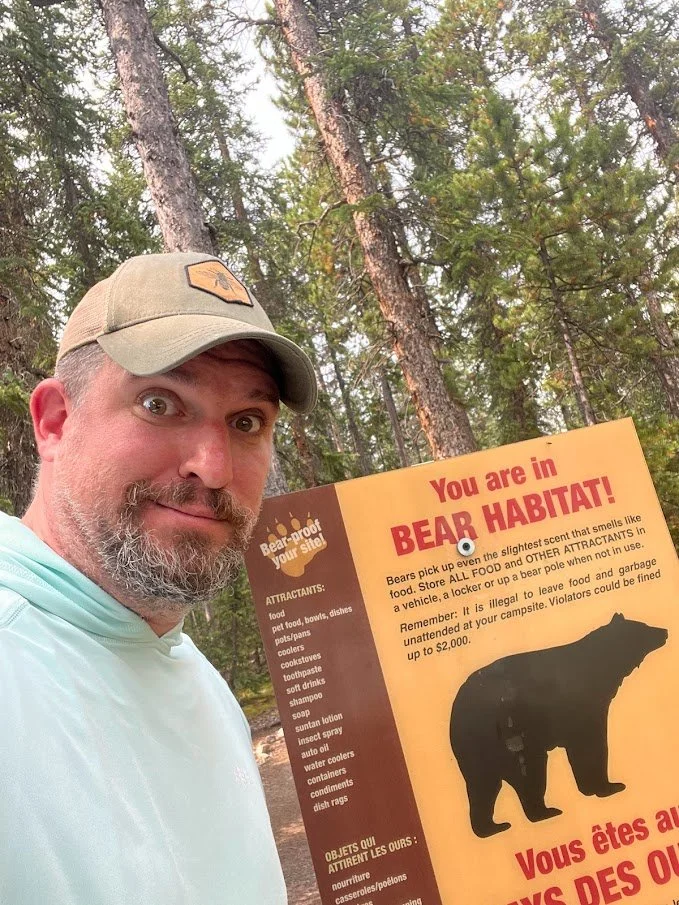
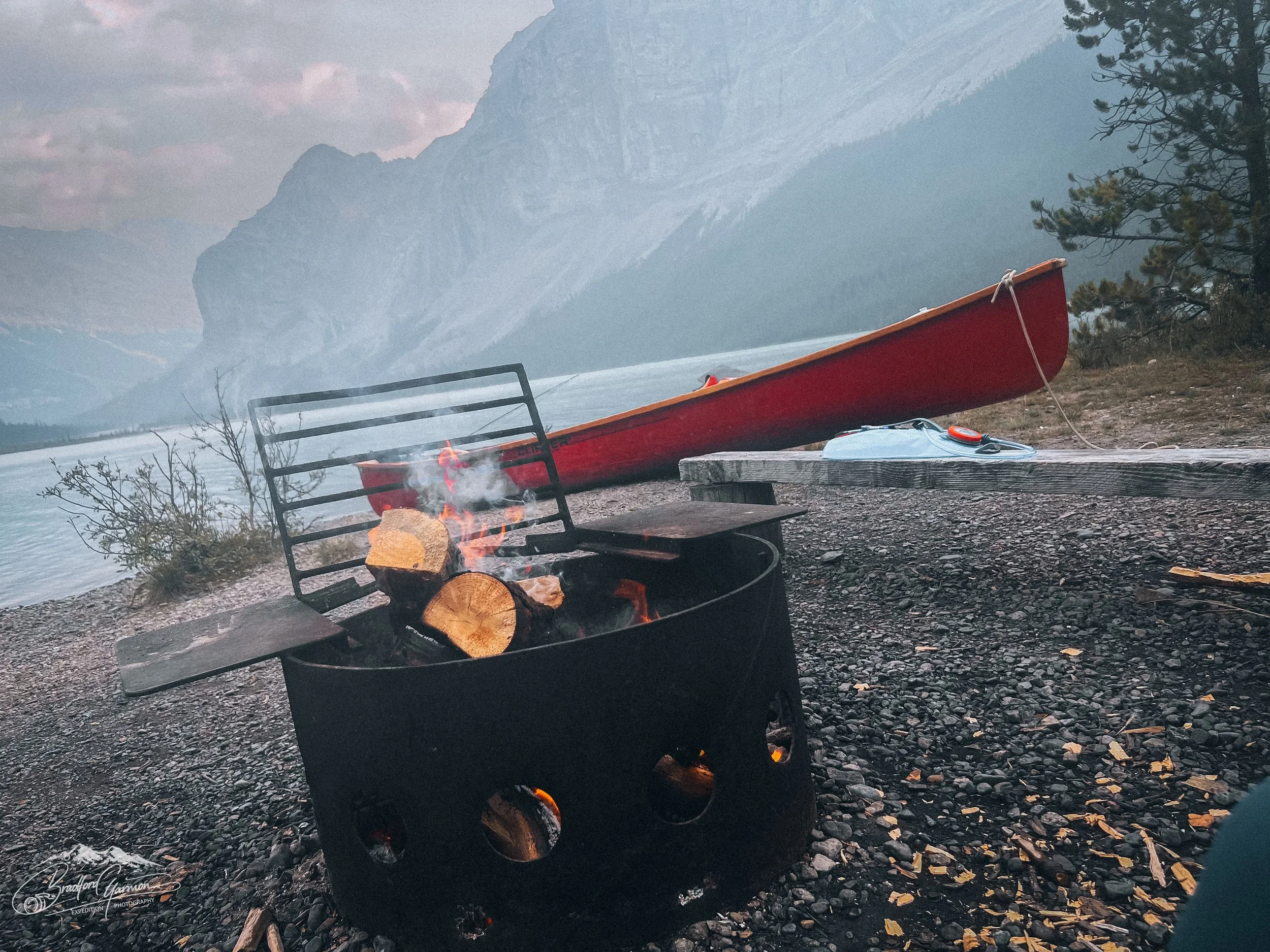
The land surrounding Maligne Lake is teeming with wildlife, from grazing mule deer to the very real presence of black bears and grizzlies. This is not a place for complacency. Bear safety is essential, and all visitors should follow Parks Canada’s food storage and camp hygiene guidelines to the letter. Most campsites include a small camp journal, where fellow paddlers leave notes about recent wildlife sightings — a quiet, invaluable resource that reminds you just how alive this place really is.
And it’s worth remembering: we are not the apex predator here. We are guests, briefly passing through a world that has existed long before us and will continue long after we leave. Respecting that reality — moving quietly, storing food properly, and staying alert — isn’t just about safety. It’s about honoring the wilderness we’ve been invited into.
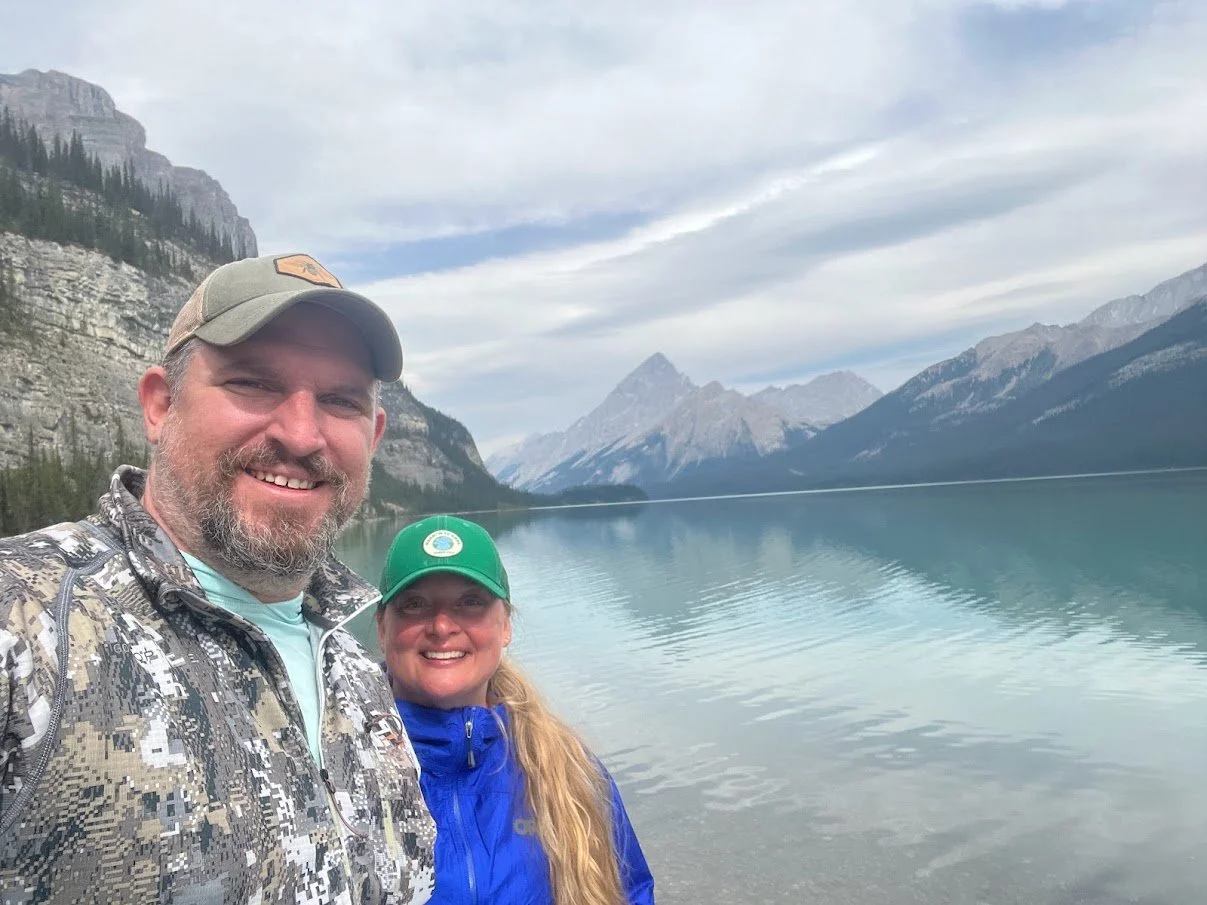
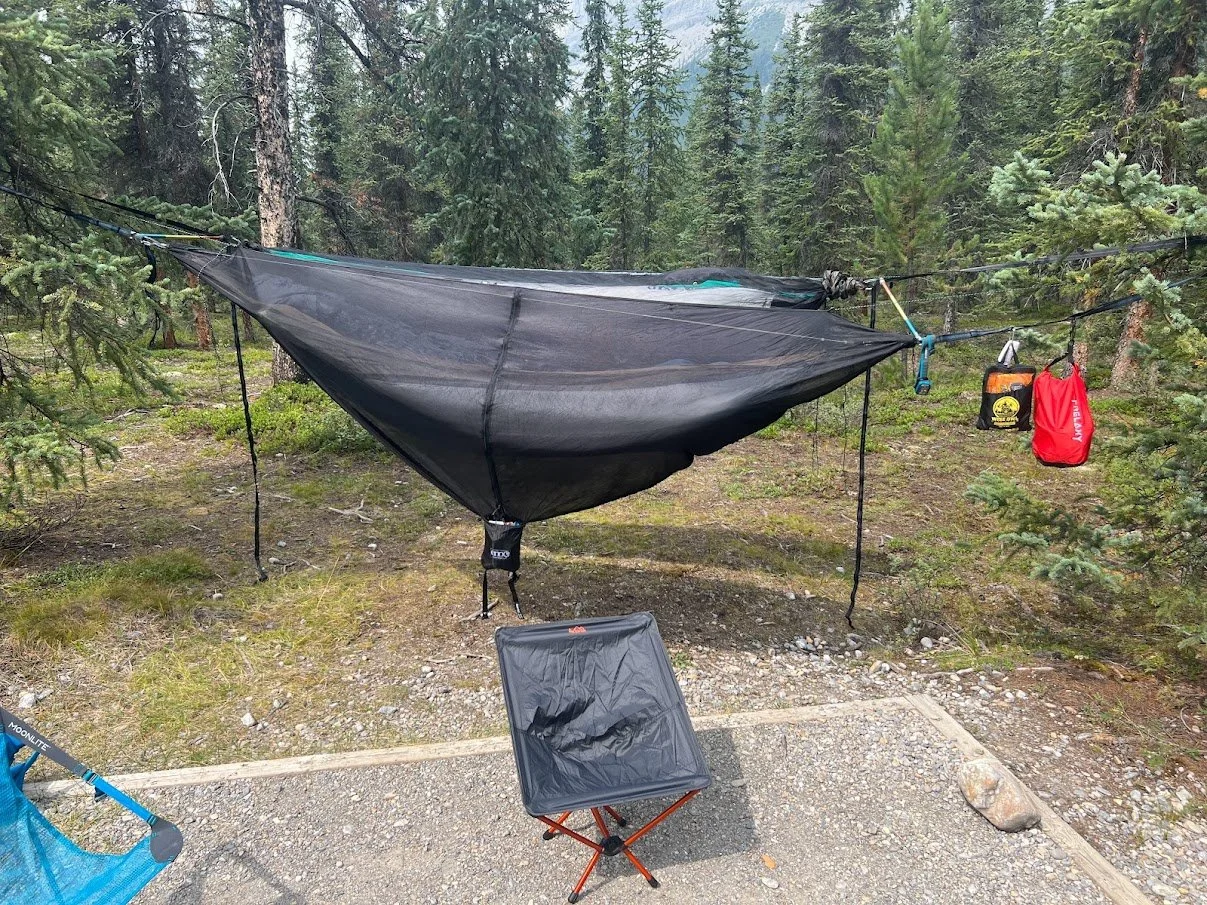
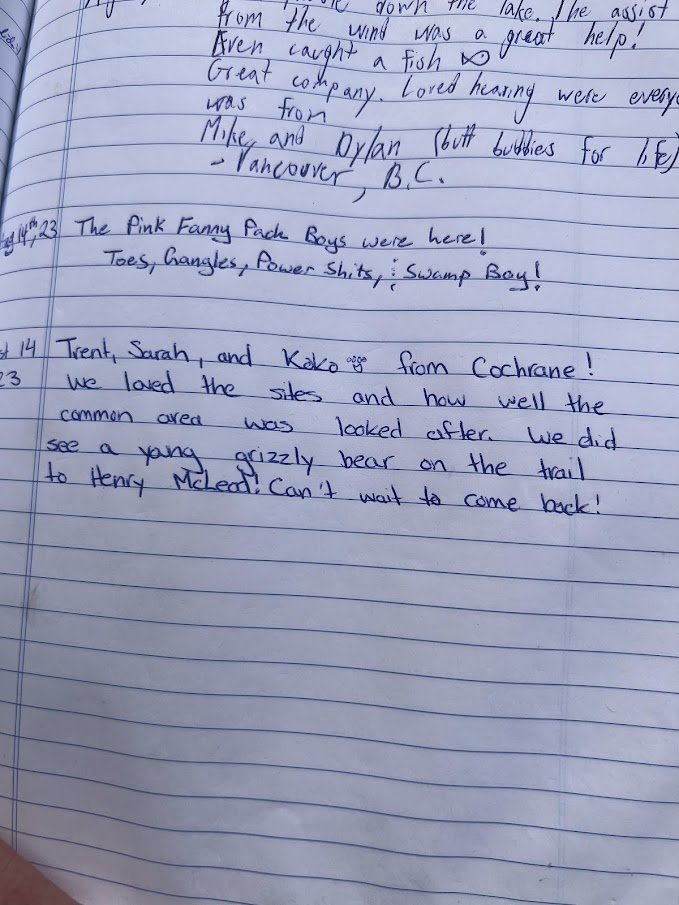
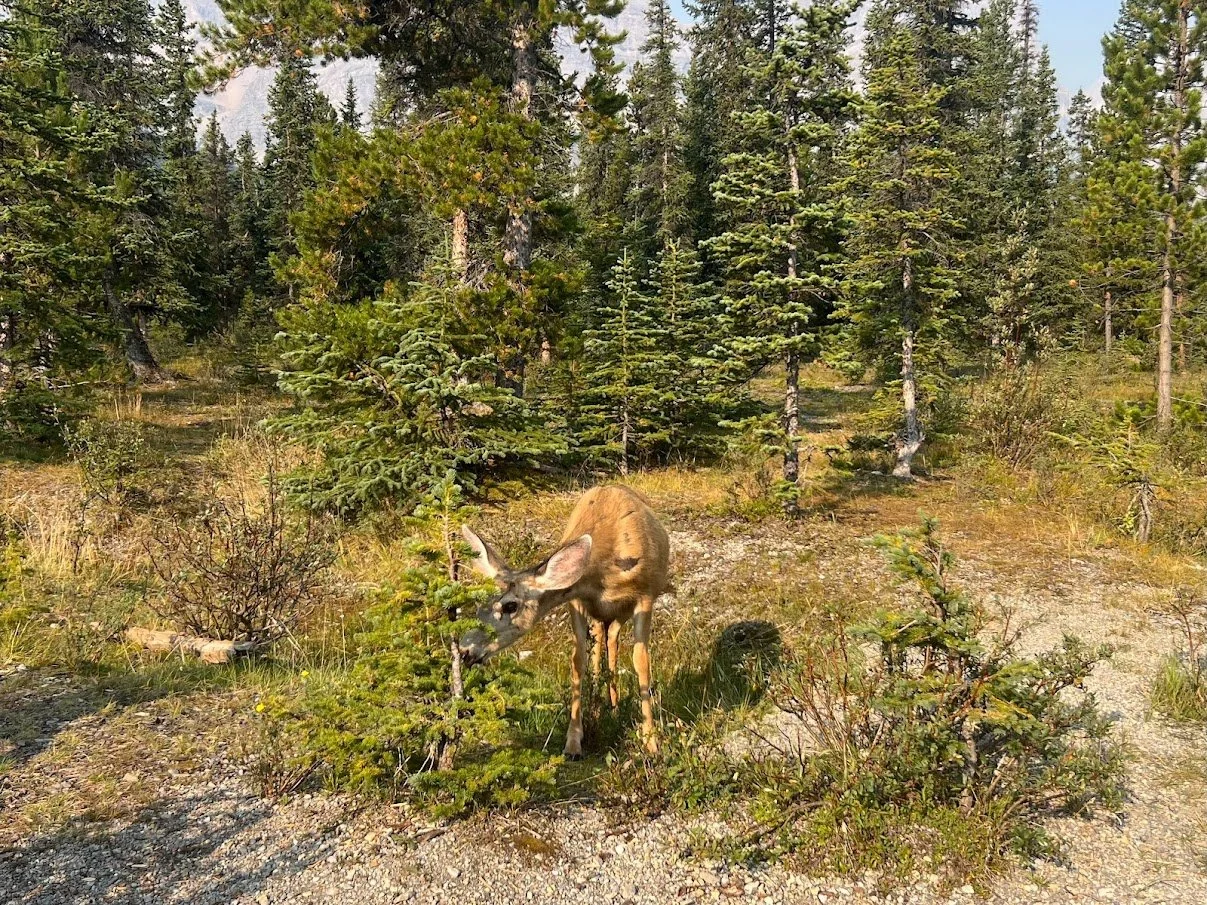
The Return Trip Home
Make it stand out
After the long journey down the lake, our bodies were spent — but our schedule wasn’t. With nowhere we had to be the next morning, we chose to slow things down and savor the world around our camp. The early sun quietly transformed the landscape, shifting the lake from glowing emerald and turquoise into a deep, inky blue within just a few hours. Light moved across the peaks, shadows retreated, and the stillness felt earned.
Eventually, we packed up our hammocks and loaded the canoe, convinced that waiting until afternoon to depart was a smart, unhurried choice. It wasn’t. Maligne Lake is vast enough to create its own wind and weather patterns, and as the day warmed, calm water gave way to choppy, restless waves. The return paddle demanded far more from our already tired arms than the outbound journey ever had. Each stretch of open water felt longer than the last, and we found ourselves pulling off to rest several times — refueling with protein, shaking out sore shoulders, and gathering just enough energy to push onward again.
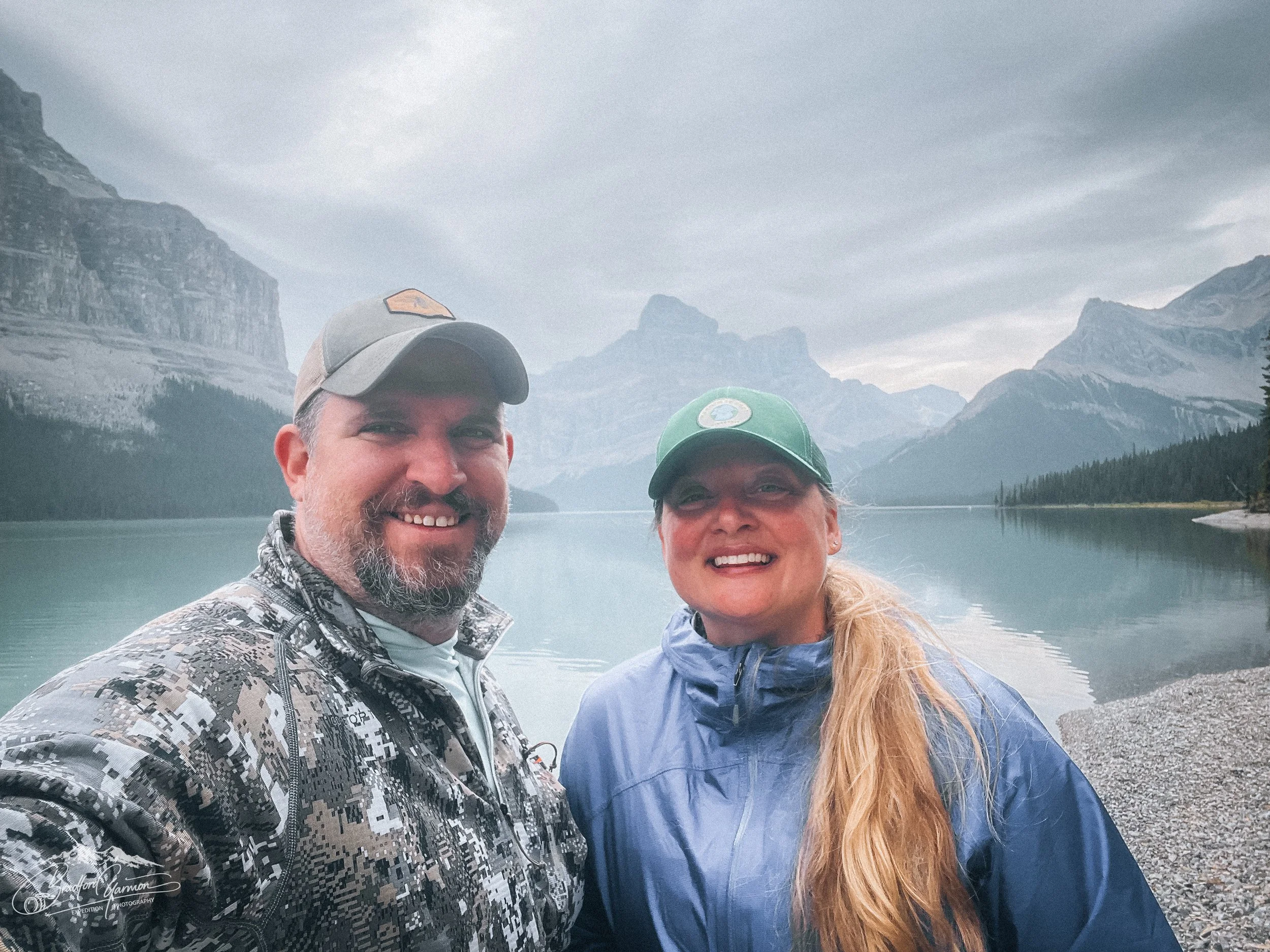
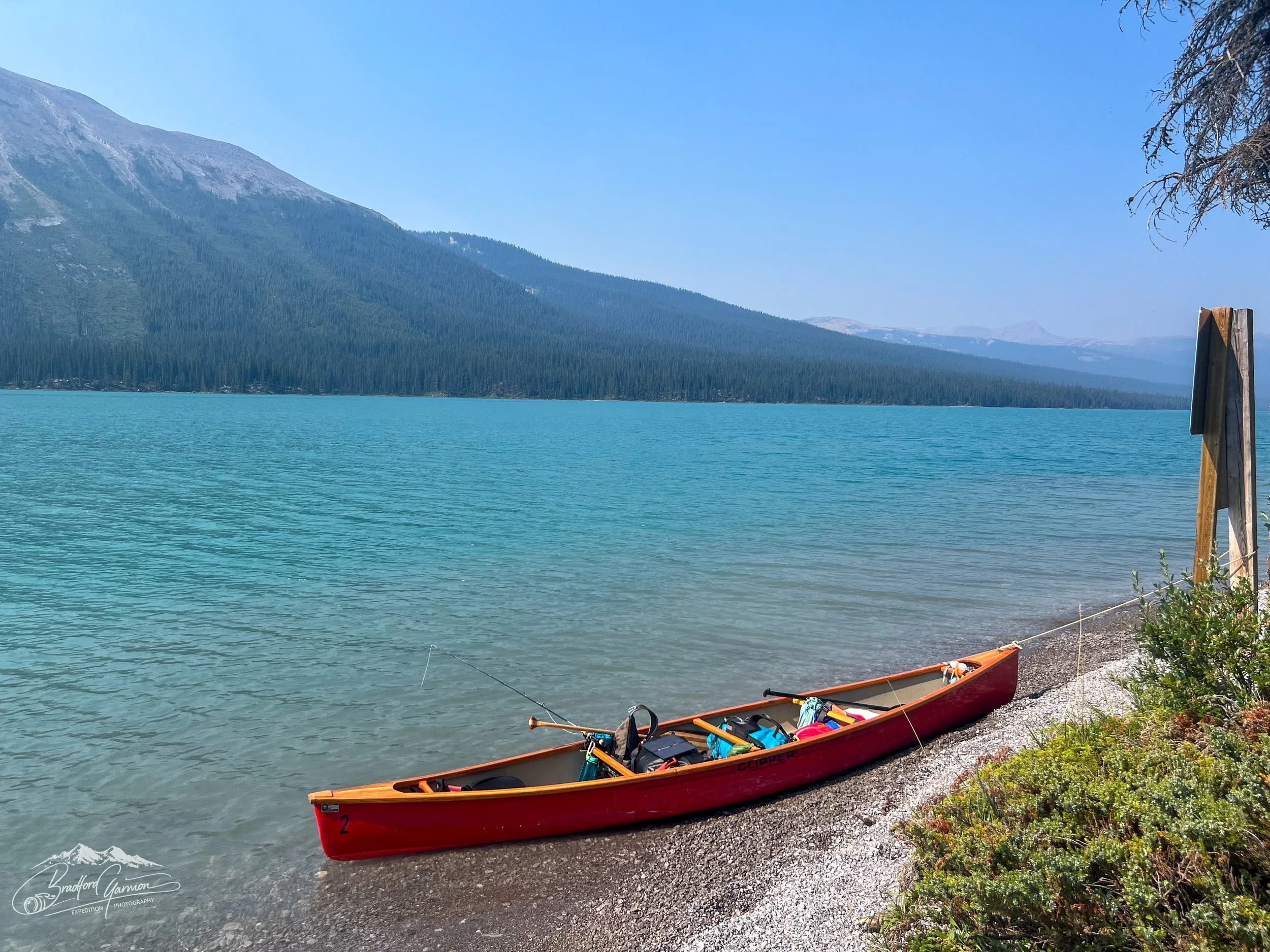
In the end, we made it back without a capsize or a crisis — which, given the conditions, felt like a small victory. We secured the canoe at the boathouse, both of us stunned by how many daylight tourists now filled the shoreline of a lake that had been utterly empty when we departed just 24 hours earlier. We loaded up the Jeep, wandered the water’s edge in search of a few last photo opportunities, and then turned toward our next adventure — tired, humbled, and deeply grateful for the quiet wilderness we had been allowed to borrow for a single, unforgettable night.